

How to Choose the Right Watch Winders 2026
For the serious collector, a mechanical watch is not merely an accessory; it is a precision instrument that demands respect. When you aren't wearing your timepiece, leaving it static can lead to lubricant settling and potential moisture buildup, while improper storage risks scratches and dents. Choosing the right watch winder in 2026 is less about chasing flashy aesthetics and more about engineering a micro-environment that preserves your investment’s mechanical integrity and resale value.
Our Top Picks
Affiliate disclosure: if you buy through these links, we may earn a commission at no extra cost to you.

Table of Contents

Quick Answer
The right watch winder balances precise rotation settings (TPP) with superior interior protection. Look for units with soft-touch velvet or microfiber interiors, silent quartz motors, and customizable speed/direction modes to match your specific movement. Avoid cheap plastic casings that offer no shock absorption; instead, prioritize solid wood or aluminum builds with secure locking mechanisms if you travel frequently.
Understanding Your Movement’s Needs
Not all watches wind the same way. Before you even look at the exterior design, you must understand the technical requirements of your collection. Most modern automatic movements require between 600 and 900 turns per day (TPD), but vintage pieces or high-beat chronographs might need significantly more or less. A winder with fixed rotation settings will eventually damage a delicate movement by over-winding it, leading to unnecessary wear on the mainspring.
In 2026, the standard for a quality winder is bi-directional capability with programmable TPD. You want a unit that allows you to set specific rest periods—such as winding for 10 seconds every 3 minutes—rather than continuous rotation. This mimics natural wrist movement and prevents the lubricants in your watch from drying out or separating.
If you own multiple watches with different requirements, consider a multi-winder station where each slot can be programmed independently. A single-slot winder is perfect for a daily driver, but a collector’s box needs individualized care for each piece to ensure longevity.
Interior Materials: Protection vs. Aesthetics
The interior of a watch winder is where the actual protection happens. Many enthusiasts focus on the exterior wood or leather finish, but the lining is what prevents micro-scratches on your case and bracelet. Cheap felt can shed fibers that clog movement joints, while rough textiles can mar polished steel.
Look for interiors lined with high-density velvet, soft-touch microfiber, or genuine suede. These materials offer a cushioned surface that absorbs minor vibrations and prevents your watch from sliding around during rotation. For luxury pieces, consider removable inserts made of anti-scratch fabric. This allows you to clean the lining regularly without exposing your watches to dust.
Pay attention to the fit. The winder’s holder should cradle your watch securely without squeezing it too tightly. Adjustable arms are essential here, especially if you switch between a field watch with a thick case and a slim dress watch. A poor fit leads to uneven winding and potential stress on the crystal.
Motor Quality and Noise Levels
A watch winder is often placed in a bedroom or study, so noise is a critical factor. Cheap stepper motors produce audible clicking sounds that can be distracting at night. In 2026, high-end winders utilize silent quartz-driven motors that operate below the threshold of human hearing.
Test the motor’s consistency. The rotation should be smooth and jitter-free. Any hesitation or stuttering in the movement can translate to irregular winding, which defeats the purpose of the device. Brands that prioritize precision engineering often use Japanese or Swiss-made motors known for their reliability and quiet operation.
Additionally, consider the build quality around the motor housing. Vibration dampening materials, such as rubber gaskets or foam pads, should be integrated into the design to isolate the motor’s vibrations from the watch itself. This ensures that your timepiece remains in a stable environment.
Enclosure Types: Glass, Wood, and Travel Cases
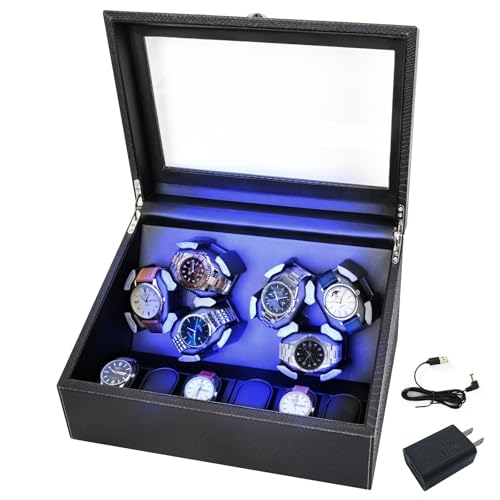
The enclosure serves both protective and display purposes. Glass-top winders are popular for their visual appeal, allowing you to admire your collection while it winds. However, glass can reflect light and create glare, making it hard to see the dial details in certain lighting conditions.
Closed-top wood or leather cases offer superior protection against dust, UV rays, and physical impact. For collectors who travel frequently, a compact, hard-shell travel winder is indispensable. These units are designed to fit into carry-on luggage and often feature shock-absorbing interiors to protect your watch during transit.
If you prioritize security, look for winders with integrated lock mechanisms. While most winders don’t have high-security locks, some premium models offer key-operated doors or combination dials. This is particularly useful if you live in a shared household or travel with valuable pieces.
Power Options and Longevity
Reliability is paramount. A winder that fails due to power issues can leave your watch stopped, requiring manual winding and resetting of the time and date. Most modern winders operate on AC power with a backup battery system. Ensure the unit has a reliable battery backup that can keep the watch wound for at least 24-48 hours during a power outage.
For travel enthusiasts, USB-powered or rechargeable battery-operated winders are gaining popularity. These offer flexibility and portability, allowing you to wind your watch on the go without being tethered to an outlet. However, ensure the battery life is sufficient for your typical travel duration.
Finally, consider the longevity of the winder itself. High-quality components, such as durable switches and robust wiring, will extend the life of the device. Avoid units with flimsy plastic connectors or exposed wiring, as these are prone to failure over time.
Frequently Asked Questions
Do I need a winder for every watch?
No. Winders are most beneficial for automatic watches you wear daily or occasionally, especially those with complex complications like perpetual calendars. For simple time-only watches, manual winding once a week is often sufficient and less stressful on the movement.
Can a winder damage my watch?
Yes, if the TPD settings are incorrect or the motor is jerky. Over-winding can strain the mainspring, while inconsistent rotation can lead to lubricant issues. Always match the winder’s settings to your watch’s specifications.
How long should a watch winder last?
A high-quality winder with a silent motor and durable construction should last 5-10 years or more. Regular maintenance, such as cleaning the interior and checking battery backups, can extend its lifespan.
Is glass better than wood for display?
Glass offers better visibility but requires regular cleaning to avoid smudges. Wood provides a classic aesthetic and better protection against dust and UV light. Choose based on your priority: display or preservation.
Can I use a winder for quartz watches?
No. Quartz watches do not require winding. Using a winder for a quartz watch is unnecessary and may cause undue wear on the bracelet or case due to constant movement.
What is the best TPD for most watches?
A safe starting point for most modern automatics is 600-800 TPD. Always consult your watch’s manual for specific recommendations, as high-beat movements may require higher TPD.
Choosing the right watch winder is an investment in the longevity and performance of your collection. By prioritizing interior protection, motor quality, and customizable settings, you ensure that your timepieces remain in peak condition whether they are on your wrist or resting in their case. Start by identifying the specific needs of your most valuable pieces, then select a winder that offers the precision and durability required to protect them.


