

How to Choose the Right Travel Watch Cases 2026
As a collector who has spent years curating timepieces and refining my everyday carry, I’ve learned that how you store your watches is just as critical as the movements inside them. A travel watch case isn't merely a box; it’s the first line of defense against shock, humidity, and theft while you’re navigating airports, hotels, or daily commutes. Choosing the wrong container can lead to scratched crystals, tangled straps, and unnecessary anxiety, whereas the right one offers peace of mind and preserves the value of your collection.
Our Top Picks
Affiliate disclosure: if you buy through these links, we may earn a commission at no extra cost to you.

Table of Contents

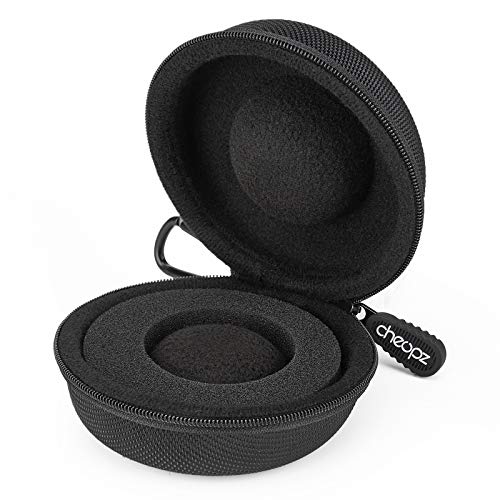
Quick Answer
The ideal travel watch case depends on your specific needs: for maximum protection against impact and theft, choose a hard-shell case with individual cushioned slots and TSA-approved locks. For frequent display or easy access, a soft-sided roll or clamshell with clear windows offers convenience but less security. Prioritize cases with breathable, non-abrasive linings like microfiber or felt over plastic, and ensure the interior capacity matches your current collection size plus room for future additions.
Interior Protection: Materials That Matter
The interior lining of your watch case is in direct contact with your most valuable assets, making material choice paramount. Many budget cases use cheap plastic inserts or rough fabrics that can scratch bezels and crystals over time. As a collector, I prioritize cases lined with high-density foam, microfiber, or premium felt. These materials absorb minor shocks and prevent metal-on-metal contact between watches if they shift during transit.
Avoid cases with rigid plastic dividers unless they are specifically molded to fit your watch models. While customizable foam is excellent for a static collection, it lacks the flexibility needed for rotating pieces. Instead, look for adjustable leather or fabric straps that secure each watch individually. This ensures that your dive watches don’t clank against your dress watches when you’re rushing through security checks.
Hard Shell vs. Soft Roll: The Structural Debate
The choice between a hard-shell case and a soft roll often comes down to the balance between protection and convenience. Hard-shell cases, typically made from polycarbonate or aluminum, offer superior impact resistance. They are ideal for checked luggage or environments where your bag might be tossed around. The rigid structure ensures that external pressure doesn’t transfer to the watches inside.
Conversely, soft rolls and clamshell cases are more compact and easier to integrate into a carry-on or EDC organizer. They often feature clear windows for quick identification of which watch you want to wear. However, they offer minimal protection against crushing forces. If you’re traveling with high-value pieces or vintage watches, the added weight of a hard shell is a small price to pay for peace of mind.
Consider your travel style. If you frequently fly business class and keep your items in the overhead bin, a hard case is safer. For weekend trips where you carry everything in a backpack, a slim soft roll might be more practical. Always test the closure mechanism; flimsy zippers or weak clasps can compromise even the best materials.
Security Features and Lock Mechanisms
When traveling with valuable timepieces, security is non-negotiable. Look for cases equipped with TSA-approved combination locks. These allow airport security to inspect your luggage without damaging the lock or forcing entry into your case. Avoid keyed locks unless you’re certain you won’t lose the key, as replacing them while abroad can be a nightmare.
Some premium travel cases integrate RFID-blocking pockets for credit cards and passports, merging watch storage with tactical wallet functionality. This is particularly useful for minimalist travelers who want to consolidate their EDC items. Ensure that any locking mechanism doesn’t interfere with the case’s ability to close fully when packed to capacity.
Capacity Planning and Modularity
A common mistake collectors make is buying a case that fits their current collection exactly. Watches are addictive, and you’ll likely acquire more pieces over time. Choose a case with modular dividers or extra slots to accommodate future additions. A 6-slot case might seem sufficient now, but it could become cramped within a year.
Consider the size of your watches as well. Dive watches and pilot watches are often thicker than dress watches. Ensure the interior height accommodates your thickest piece without forcing the lid shut. Compressing a watch too tightly can damage the crown or case back, especially if it has a screw-down mechanism.
If you travel with multiple straps, look for cases with dedicated compartments or pockets for strap storage. Keeping spare straps organized prevents them from tangling with your watches and makes it easier to swap faces on the go. Some EDC organizers even include slots for tools like spring bar levers, which are essential for quick changes.
Travel Usability and EDC Integration
A travel watch case should complement your overall everyday carry setup. It shouldn’t be an awkward bulk that disrupts the flow of your bag. Slim profiles and streamlined designs integrate better with tactical wallets, card holders, and everyday carry pouches. Look for cases that can slide into a dedicated laptop sleeve or gear compartment without shifting around.
Weight is another critical factor. Aluminum cases are durable but heavy, while polycarbonate offers a lighter alternative with comparable strength. If you’re already carrying a camera bag, laptop, and hydration pack, every ounce counts. A lightweight case ensures that your watch collection doesn’t become a physical burden during long transit days.
Finally, consider the aesthetic. While function is primary, a well-designed case reflects your personal style. Matte finishes hide scratches better than glossy ones, and neutral colors like black, gray, or navy blend seamlessly with professional attire. A discreet case also reduces the likelihood of drawing unwanted attention from thieves in crowded areas.
Frequently Asked Questions
Should I use a watch winder while traveling?
Generally, no. Most modern automatic watches have power reserves of 40-70 hours, which is sufficient for short trips. Watch winders add bulk and require power sources, making them impractical for travel. For long-term storage, it’s better to let the watch rest and wind it manually upon return.
Can I put my watch case in checked luggage?
It’s not recommended. Checked bags are handled roughly and can be subjected to extreme temperatures and pressure changes. Always keep your watch case in your carry-on or personal item to maintain control over its environment and security.
How do I prevent moisture buildup inside the case?
Include silica gel packets in your travel watch case to absorb excess humidity. Moisture can damage leather straps and cause corrosion on metal components. Replace or recharge these packets regularly, especially if you’re traveling to humid climates.
Are clear-window cases safe for valuable watches?
Clear windows offer convenience but reduce security by displaying your collection to anyone nearby. If you use a clear case, ensure it has robust locking mechanisms and keep it in a secure location. For high-value pieces, opaque cases are safer.
How often should I replace my travel watch case?
Inspect your case annually for signs of wear, such as cracked foam, frayed zippers, or weakened hinges. If the interior lining is no longer providing adequate cushioning, it’s time to upgrade. A compromised case offers false security.
Can I use a generic jewelry box for watches?
Jewelry boxes are often too shallow and lack proper padding for watch cases and crowns. They also don’t provide the structural integrity needed to protect against impacts. Invest in a dedicated watch case designed specifically for timepiece dimensions and protection needs.
Choosing the right travel watch case is about balancing protection, convenience, and style. By focusing on interior materials, structural integrity, and security features, you can ensure your collection remains pristine wherever your adventures take you. Start by assessing your current collection size and travel habits, then invest in a case that grows with you. Your watches deserve the same care and attention as your daily carry essentials.


