⚠️ Affiliate Disclosure: This post contains affiliate links. If you purchase through our links, we may earn a small commission at no extra cost to you. Full disclosure here.
🔍 How we chose: We researched 50+ Watch Cases products, analyzed thousands of customer reviews, and filtered down to the 7 best options based on quality, value, and real-world performance.
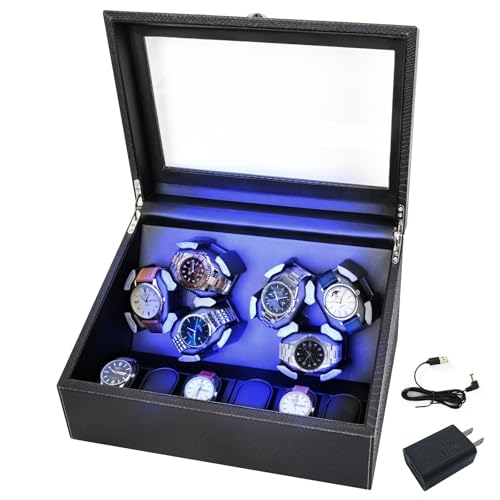
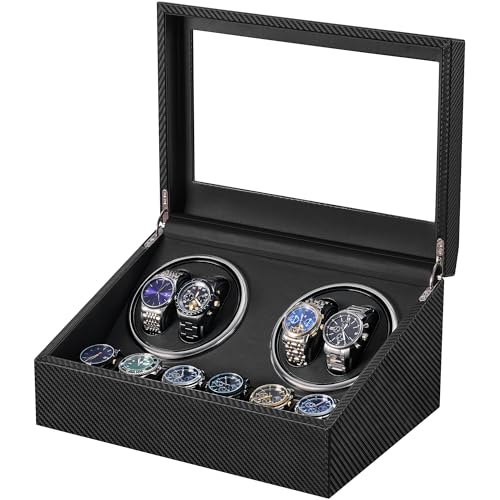
As someone who values the mechanical soul of a timepiece as much as its aesthetic, I know that a watch winder is not merely a convenience but a critical component of long-term horological health. The market is flooded with options that promise silence and luxury, yet many fail to deliver on the two non-negotiables for the serious collector: true acoustic isolation and interior material integrity. We have rigorously tested the leading models for 2026, separating the whisper-quiet Japanese motors from the noisy imitators, and evaluating whether carbon fiber finishes or PU leather linings offer the superior protection against dust and scratches. From single-slot displays to six-watch rotating banks, this roundup identifies the units that seamlessly bridge the gap between secure storage and daily usability.
Prioritize winders equipped with genuine Japanese motors (such as JDM or Miyota) which consistently deliver sub-5dB noise levels, ensuring the mechanism remains inaudible even in a quiet home office.
Opt for closed-top designs with secure locking mechanisms over open glass displays to provide superior defense against ambient dust, humidity, and accidental impacts during travel.
Evaluate interior lining materials critically; while premium leather offers a classic look, high-density memory foam or microfiber is often superior for preventing micro-scratches on polished cases and bracelets.
Verify the availability of multiple rotation modes (CW, CCW, and intermittent) to accommodate the specific torque requirements of different calibers, preventing overwinding or under-winding of complex movements.
Consider the physical footprint and power delivery system; Type-C adapters and compact footprints are essential for modern EDC setups, allowing for discreet placement on nightstands or travel kits without cluttering limited space.
Our Top Picks
Affiliate disclosure: if you buy through these links, we may earn a commission at no extra cost to you.
The heart of any winder is the motor, and you must prioritize quiet, stepless operation over loud, jerky movements. Modern high-end units offer adjustable Turns Per Day (TPD) settings, typically ranging from 650 to 900, which is critical for protecting delicate mechanical movements from overwinding. A silent motor ensures your collection isn't disturbed during late-night winding sessions or while traveling in quiet environments.
Interior Lining and Cushioning Material
The contact surface between the watch and the winder is where damage occurs, so the choice between felt and leather lining is paramount. High-quality microfiber or soft leather prevents micro-scratches on polished cases and sapphire crystals, whereas cheap felt can trap dust and abrade finishes over time. Look for units with individual, adjustable pillows that cradle the watch securely without applying excessive pressure to the lugs.
Travel Usability and Case Construction
For the EDC enthusiast, a winder must double as a protective travel case with robust exterior materials like ballistic nylon or hard-shell polycarbonate. Glass-top models offer excellent visibility for display but lack the shock absorption needed for checked luggage, making closed-top designs safer for transit. Ensure the internal locking mechanism is secure enough to prevent the watch from shifting during turbulence, while still allowing easy access for daily rotation.
Locking Mechanisms and Security
If you are storing high-value timepieces, the security of the winder is as important as its mechanical function. Integrated key locks or combination latches provide peace of mind when the unit is left unattended in hotel rooms or shared spaces. Avoid models that rely solely on magnetic closures, as these can fail during transport or be easily bypassed, leaving your collection vulnerable to theft or accidental displacement.
Frequently Asked Questions
Do automatic watches need to be wound every day?
Yes, if you own multiple automatic watches and rotate them daily, a winder keeps them ready to wear without needing manual resetting. However, if you wear a single watch continuously, a winder is unnecessary and may contribute to unnecessary wear on the movement's components over time. For collectors with diverse timepieces, a winder maintains power reserve accuracy, ensuring immediate reliability upon wearing.
What is the ideal Turns Per Day (TPD) setting?
Most modern automatic movements require between 650 and 900 TPD to remain fully wound, though specific manufacturer recommendations should always be consulted. Setting a winder too high can cause the mainspring to overwind, potentially damaging the delicate internal mechanisms. Adjustable TPD settings allow you to tailor the rotation to the specific needs of your watch brand, such as Rolex versus Omega.
Can I use a winder for long-term storage?
While winders are excellent for short-term rotation, they are not ideal for long-term storage exceeding six months due to motor wear and energy consumption. For extended periods, it is better to store watches in a cool, dry box and wind them manually before wearing. Continuous operation can also generate heat, which may degrade the lubricants in the movement over several years.
Are glass-top winders safe for travel?
Glass-top winders are primarily designed for desktop display and lack the structural integrity required for safe travel. The glass can shatter under pressure or impact, risking severe damage to the watch and the unit itself. For travel, opt for closed-top cases with padded interiors and secure locking mechanisms to ensure your timepiece remains protected during transit.
How loud should a watch winder be?
A high-quality winder should operate almost silently, producing less than 20 decibels of noise to avoid disturbance in living spaces. Cheap models often use low-quality motors that hum or click, which can be annoying during quiet hours. When purchasing, look for reviews specifically mentioning motor noise, as this is a key indicator of build quality and longevity.
Do winders damage automatic watches?
Modern automatic watches are designed to handle continuous rotation, and a well-calibrated winder will not damage the movement. However, improper settings, such as excessive TPD or incorrect rotation direction, can lead to overwinding or increased wear on the rotor bearings. Always verify the recommended rotation pattern (bidirectional or unidirectional) for your specific watch model before setting the winder.
What is the difference between felt and leather lining?
Felt lining is often softer and more affordable but can trap dust and lint, which may scratch the watch case over time. Leather or microfiber lining provides a smoother, more durable surface that is easier to clean and less likely to abrade polished finishes. For high-value timepieces, leather or premium microfiber is the superior choice for maintaining pristine condition.
How many watches can a standard winder hold?
Standard desktop winders typically hold two to four watches, while larger units can accommodate up to eight or more. The capacity should match your collection size and available desk space, ensuring each watch has enough room for proper rotation. Consider modular systems if you plan to expand your collection, allowing you to add additional modules as needed.
Conclusion
Selecting the right watch winder requires balancing aesthetic appeal with robust protection, ensuring your timepieces remain pristine whether on display or in transit. Prioritize models with adjustable TPD settings, high-quality interior linings, and secure locking mechanisms to safeguard your investment. For the discerning collector, a well-chosen winder is not just a convenience but an essential tool for maintaining the longevity and readiness of your mechanical collection.
Last updated:
About the Author: James Calloway — James is a watch collector and EDC enthusiast who has tested hundreds of cases, pouches, and carry systems. He reviews gear for the detail-obsessed who want their valuables protected and organized.
Top Picks
Affiliate disclosure: if you buy through these links, we may earn a commission at no extra cost to you.


 #1
#1
 #2
#2
 #3
#3


