

Tactical Wallets Buying Guide What To Look For In 2026
🏆 Top Picks at a Glance
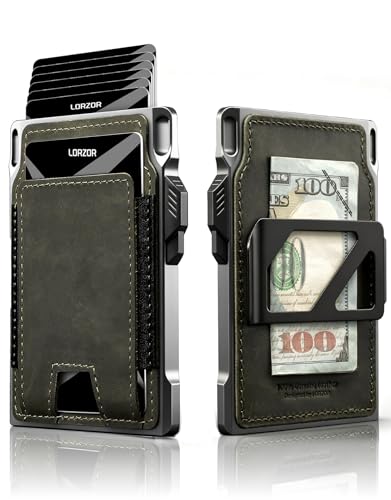 #1
#1
Best Overall
LORZOR Slim Tactical Wallet for Men- Minimalist Full Grain Leather Wallet for 10 Cards, RFID Blocking Aluminum Cardholder, Smart Pop Up Card Case, Front Pocket, Money Clip, Gift for Men(ArmyGreen)
$89.99
Check Price → #2
#2
Runner Up
typecase Tactical Wallet for Men Card Holder: Pop Up Card Case, Full Grain Leather, Smart, RFID Blocking, Slim, Minimalist, Thin, Front Pocket - 10 Card Slots, ID Window, Money Clip (Burnished Black)
$49.99
Check Price → #3
#3
Best Value
typecase Tactical Wallet for Men Card Holder: Pop Up Card Case, Genuine Leather, Smart, RFID Blocking, Slim, Minimalist, Thin, Front Pocket - 9-13 Card Capacitiy, ID Window, Money Clip (Navy)
$42.99
Check Price →⚡ Quick Answer
Table of Contents
In a world where preparedness and durability go hand-in-hand, your tactical wallet can be more than just a place to carry cash and cards; it’s a vital part of your EDC arsenal. Whether you're heading into the field, traveling internationally, or simply seeking a wallet that withstands daily rigors, choosing the right tactical wallet enhances your efficiency, protects your valuables, and ensures quick access when it matters most.
As a seasoned watch collector and EDC enthusiast, I understand the importance of materials, mechanisms, and design in protecting your essentials. This guide will walk you through the key considerations for selecting a tactical wallet in 2026, comparing features from lock mechanisms to material durability, helping you make an informed decision tailored to your needs.
Our Top Picks in Detail
Affiliate disclosure: if you buy through these links, we may earn a commission at no extra cost to you.
LORZOR Slim Tactical Wallet for Men- Minimalist Full Grain Leather Wallet for 10 Cards, RFID Blocking Aluminum Cardholder, Smart Pop Up Card Case, Front Pocket, Money Clip, Gift for Men(ArmyGreen)
$89.99Check Price →This is the pick to look at first if you want a reliable, well-rounded option that handles everyday use without unnecessary compromises. LORZOR Slim Tactical Wallet for Men- Minimalist Full Grain Leather Wallet for 10 Cards, RFID Blocking Aluminum Cardholder, Smart Pop Up Card Case, Front Pocket, Money Clip, Gift for Men(ArmyGreen) delivers solid performance across the features that matter most in this category.
typecase Tactical Wallet for Men Card Holder: Pop Up Card Case, Full Grain Leather, Smart, RFID Blocking, Slim, Minimalist, Thin, Front Pocket - 10 Card Slots, ID Window, Money Clip (Burnished Black)
$49.99Check Price →If the top pick doesn't quite fit your situation, typecase Tactical Wallet for Men Card Holder: Pop Up Card Case, Full Grain Leather, Smart, RFID Blocking, Slim, Minimalist, Thin, Front Pocket - 10 Card Slots, ID Window, Money Clip (Burnished Black) is worth a close look as a capable alternative that still covers the essentials well.
typecase Tactical Wallet for Men Card Holder: Pop Up Card Case, Genuine Leather, Smart, RFID Blocking, Slim, Minimalist, Thin, Front Pocket - 9-13 Card Capacitiy, ID Window, Money Clip (Navy)
$42.99Check Price →For buyers who want the most for their money without sacrificing the features that actually matter, typecase Tactical Wallet for Men Card Holder: Pop Up Card Case, Genuine Leather, Smart, RFID Blocking, Slim, Minimalist, Thin, Front Pocket - 9-13 Card Capacitiy, ID Window, Money Clip (Navy) is the practical choice at this price point.
Material Quality & Durability
The backbone of any tactical wallet is its material. High-grade leathers like full-grain or vegetable-tanned leather provide excellent durability, age beautifully, and develop character over time. Synthetic options, such as ballistic nylon or TPU composites, excel in resistance against abrasions, water, and tearing — critical factors when you're outdoors or in rugged environments.
One notable trend in 2026 is the shift toward multi-layered composites that blend tough outer shells with soft linings, providing impact absorption and scratch resistance. When evaluating materials, consider whether the wallet's exterior can withstand daily abrasions and exposure to elements, while the interior offers soft, protective linings that prevent scratches on your cards or watch components.
Design & Protection Features
The structure of a tactical wallet influences both protection and access. Closed-top designs safeguard contents from accidental ejection, especially during rigorous activity or sudden impacts. Glass windows are common in display wallets, but in tactical setups, sealed or reinforced clear panels excel by preventing scratches and moisture ingress.
Felt-lined interiors offer excellent scratch protection for delicate items like RFID chips, while leather or polymer linings provide a balanced mix of protection and tactile feel. Lock mechanisms, such as EDC-compatible thumb snaps, zippers, or slide locks, enhance security, particularly when traveling through crowded environments or rough terrain.
Capacity & Organizational Layout
Choosing a tactical wallet depends heavily on what you need to carry. A minimalist model with space for 4-6 cards, some cash, and a few keys is ideal for daily carry. For those with heavier gear—such as multiple cards, a passport, or RFID-enabled items—look for wallets with dedicated compartments and expandable sections.
Internal dividers made from felt, leather, or tough nylon help preserve the shape and separate different items. Additionally, some wallets incorporate specialized slots for tools, small watches, or even discreet concealment of critical items—a feature invaluable for fieldwork or tactical use.
Travel and Usability
Travel-ready tactical wallets excel in quick access, compact form, and security features. Look for designs with RFID-blocking layers to prevent unauthorized card scanning, a must-have in crowded airports or urban environments. Locking zippers or combination locks add an extra layer of security against theft.
Size and weight matter—compact wallets that fit comfortably in your pocket or a travel pouch reduce fatigue and bulk. Consider modular setups — some wallets can be attached to lanyards, KeySmart chains, or MOLLE-compatible attachments, making them versatile for various scenarios.
Additional Features & Considerations
In the tactical arena, features like hidden compartments, integrated tools, or anti-theft RFID protection can be game-changers. Many brands now integrate minimalist cash clips, magnetic closures, or even carbon-fiber accents to enhance both function and aesthetics. Consider whether the wallet offers warranty or repair options—premium materials and construction often justify investing in higher-end models that last for years.
Finally, weight matters—heavy-duty materials provide longevity but can add unwanted bulk. Balance your need for resilience with comfort, especially if your EDC involves constant pocket carry or travel.
Frequently Asked Questions
What is the most durable material for a tactical wallet?
Full-grain leather combined with ballistic nylon or carbon-fiber accents offers exceptional durability, resistance to abrasions, and aging qualities suitable for demanding environments.
Are RFID-blocking wallets worth it?
Yes, especially for travel and urban carry. They prevent unauthorized scans of your cards, significantly enhancing security against electronic pickpocketing.
Should I choose a transparent or closed-top design?
Transparent designs are useful for quick display of IDs or badges, but closed-top wallets provide better protection against the elements and accidental loss, making them preferable in tactical contexts.
What lock mechanism is most secure?
Zippered compartments and combination locks offer the highest security, though quick-release snaps or magnetic closures can be practical for fast access without sacrificing security.
How much capacity should I look for in a tactical wallet?
Start with your essential cards, cash, and keys. A typical tactical wallet should comfortably hold 4–8 cards, some cash, and small valuables without becoming bulky or cumbersome.
Can a tactical wallet serve as a daily carry item?
Absolutely. Modern designs are slim enough for daily use while offering the ruggedness and features needed for outdoor or tactical scenarios.
In summary, selecting the right tactical wallet in 2026 combines considerations of material longevity, secure design, capacity, and travel-friendliness. Take the time to assess your specific needs against these criteria—your valuables—and peace of mind will follow. Whether you're heading into the field, navigating urban landscapes, or traveling abroad, the perfect wallet enhances your preparedness and confidence.
Next step? Review your current carry setup, identify what you're missing, and explore top-tier options that meet these 2026 standards. Your ideal tactical wallet awaits—choose wisely, and carry with purpose.


