

How to Choose the Right Watch Winders
For the serious collector or the everyday enthusiast, selecting the perfect watch winder is a blend of art and science. A high-quality winder protects your automatics from unnecessary wear, keeps your collection ready to wear at a moment’s notice, and complements your aesthetic sensibilities. But with a myriad of options—from glass enclosures to leather-lined compartments—knowing what features truly matter can seem daunting.
Our Top Picks
Affiliate disclosure: if you buy through these links, we may earn a commission at no extra cost to you.

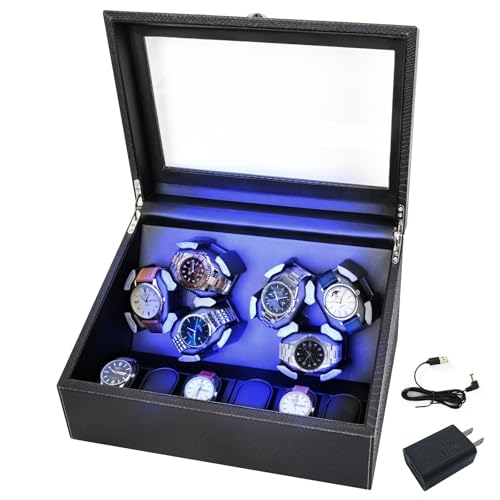
Ensuring your watches are housed in protective, well-made winders means considering not just appearance, but the materials, mechanisms, and travel usability that suit your collection’s needs. Let’s dive deep into what makes a great watch winder and how to pick the right one for your lifestyle.
ANWBROAD Watch Winders For Automatic Watche, Automatic Watch Winder Box With Led Light, Watch Turner For Automatic, 4 Watch Rotator And Super Quiet Motor And 4 Rotation Mode, UJWW011Y
$124.99Check price on Amazon


Table of Contents
Why a Good Watch Winder Matters
Automated or automatic watches rely on consistent movement to keep accurate time and lubricants evenly distributed. Without periodic winding, these watches can stop, or their lubricants can settle unevenly, impacting long-term performance. A high-quality winder simulates wrist movement, ensuring your watches remain in optimal condition and ready to wear without delay.
Beyond mechanical health, a well-crafted winder is part of your collection’s presentation and security. It protects watches from dust, light, and accidental damage, especially if it features interior padding or glass enclosures. For those who travel frequently, a compact, reliable travel winder or case becomes an essential safeguard for your valuable timepieces.
Types of Watch Winders
From simple single-watch units to elaborate multi-slot boxes, winders come in various configurations. The most common types include open-frame, enclosed glass cases, and leather-lined boxes. Open winders are practical when you want to display your watches prominently, whereas glass enclosures provide better protection against dust and accidental knocks.
Materials and Interior Finishes
The interior lining of a winder significantly impacts both protection and aesthetics. Felt-lined interiors offer a gentle, non-scratch surface ideal for high-value watches, preventing any minor scuffs during rotation. Leather linings, often premium and durable, impart elegance and feel soft against watch cases, making unpacking a ceremonial experience.
Materials for the exterior vary from polished wood, aluminum, to high-grade plastics. For travel, lightweight aluminum or high-impact plastics minimize weight without sacrificing durability. For home display, refined woods or lacquered finishes add sophistication. Look for interiors with anti-slip padding to keep watches secure during rotation.
Capacity and Size Considerations
Assess your collection’s current size and future growth potential before selecting a winder. If you only have a few automatics, a compact single or dual watch winder might suffice. Larger winders with capacity for 6, 8, or even 12 watches are ideal for serious collectors with extensive portfolios.
Size also influences placement. A bulky winder may be impractical in a small apartment or travel scenario, whereas slim, stackable units can be integrated into a multi-unit setup. Always verify the dimensions and ensure the winder fits comfortably in your intended space or travel case.
Travel-Friendly Features
Travel winders and cases should combine protection with portability. Hard-shell travel cases with interior foam padding guard against shocks, while compact winders with battery operation free you from power outlet dependence. Some premium models include lockable compartments for added security during transit.
Ensure the winder’s size, weight, and locking mechanism align with your travel habits. A quick-access zipper or lockable clasp can prevent accidental opening, and interior padding prevents scuffs and scratches during movement.
Locking and Security Features
Security is often overlooked but crucial, especially if you store high-value watches. Locking mechanisms, whether keyed or combination, safeguard against theft or unauthorized access. Some winders incorporate biometric or RFID locks for added convenience and security, making them ideal for shared spaces or displays in public settings.
Interior lockable compartments may also prevent accidental handling or tampering during travel, making sure your watches stay secure in transit or storage.
How to Choose the Right Winder for You
Start by evaluating your collection—how many watches do you own, and how often do you wear them? If you’re a daily wearer with 4-6 automatics, a 2-4 watch winder with multiple rotation settings will serve well. For core display pieces, opt for winders with customizable cycles, quiet motors, and elegant finishes that match your style.
Think about your usage environment: a glass enclosure for collection display, or a rugged travel case for frequent journeys. Consider your security needs: locking features are invaluable for shared spaces or high-value assets. Finally, pay attention to the motor quality—brushless, low-vibration motors run more quietly and last longer.
Frequently Asked Questions
Should I prefer a glass-enclosed or open winder?
Glass enclosures protect watches from dust and accidental touches while allowing display visibility. Open winders are more practical for frequent adjustments but offer less protection. Choose based on your display preference and environment.
Is leather lining better than felt inside a winder?
Leather offers a luxurious feel and durability but can be more sensitive to moisture. Felt is gentle, non-abrasive, and resistant to scratches, making it an excellent choice for valuable watches under rotation.
What locking mechanisms should I look for?
Key locks are common and reliable; combination locks add convenience, while biometric or RFID locks provide top-tier security. Locking features are especially important if your winder doubles as display or storage for high-value pieces.
How do I decide on the size of a watch winder?
Consider your collection size now and in the future. Smaller units suit those with limited space or travel needs, whereas larger units support extensive collections and multiple strap configurations.
Can I use a regular watch box as a winder?
No, unless it specifically includes automatic winding mechanisms. Standard boxes protect but do not rotate watches, which is essential for automatics to stay wound.
Choosing the right watch winder involves understanding your collection, lifestyle, and security concerns. Prioritize build quality, interior protection, and functionality to enhance both the longevity and presentation of your watches. With the right winder, your collection remains immaculate, winding smoothly, and ready to elevate your style at a moment’s notice.
Ready to find your perfect watch winder? Begin by assessing your collection’s needs and exploring options with quality mechanisms, secure locking, and materials that match your aesthetic. Your watches deserve nothing less than the best protective and display solution.
Frequently Asked Questions
How do I choose the right watch winder for my automatic collection?
To select the ideal unit, first determine how many watches you own and their specific winding requirements. Look for models with adjustable rotation settings and customizable slots that accommodate different case diameters without forcing the movement.
What is the best type of watch winder for daily wear versus long-term storage?
For daily wear, choose a compact, low-profile winder made from premium wood or leather to minimize unnecessary winding cycles. For long-term storage, opt for a larger unit with higher capacity that can keep your entire rotation ready without overworking the mainsprings.
Is it worth buying an automatic watch winder if I only wear one watch at a time?
Yes, it is worth investing in a single-slot or dual-slot winder to keep your favorite daily driver fresh and ready. This prevents the need for manual winding every few days and protects the lubrication inside the automatic movement from drying out.
How do I choose a watch winder that won't damage my vintage or high-value timepieces?
Select a model with soft, padded interiors and quiet, vibration-free motors to ensure safety for delicate mechanisms. Additionally, verify that the unit offers precise rotation control so you can match the specific winding direction and frequency of your vintage pieces.
What is the best material for a watch winder box in terms of durability and aesthetics?
High-quality solid wood or genuine leather provides superior durability while adding elegance to your home office or study. These materials also offer natural insulation that helps regulate temperature, which is crucial for preserving the integrity of mechanical movements.
How do I choose a watch winder with the right noise level for my bedroom?
Look for units specifically engineered with silent motors and sound-dampening construction to ensure they operate quietly at night. Testing reviews often highlight models that run under 30 decibels, making them suitable for sleep environments.
Is it worth paying extra for a programmable watch winder with app control?
It is worth the investment if you want precise customization of rotation cycles to match your specific watches' needs. Programmable units allow you to set different schedules for each slot, ensuring no watch is over-wound or under-wound regardless of its original design.


