

How to Choose the Right Watch Straps
For serious collectors and everyday enthusiasts alike, the watch strap isn't just an afterthought—it's an extension of your watch's personality and a crucial element for protection, comfort, and style. Whether you're swapping straps for a rugged outdoor adventure or dressing up for a formal occasion, selecting the right strap involves considering material quality, fit, durability, and functionality during travel or daily carry.
Our Top Picks
Affiliate disclosure: if you buy through these links, we may earn a commission at no extra cost to you.


Understanding the nuances between different materials—like leather versus NATO, rubber versus canvas—and features such as locking mechanisms can elevate your watch experience and ensure your investment remains protected. Let’s dive into the essentials so you can confidently choose the perfect strap to complement your collection and lifestyle.
Archer Watch Straps - Canvas Quick Release Watch Bands (Faded Olive, 20mm)
$29.99Check price on Amazon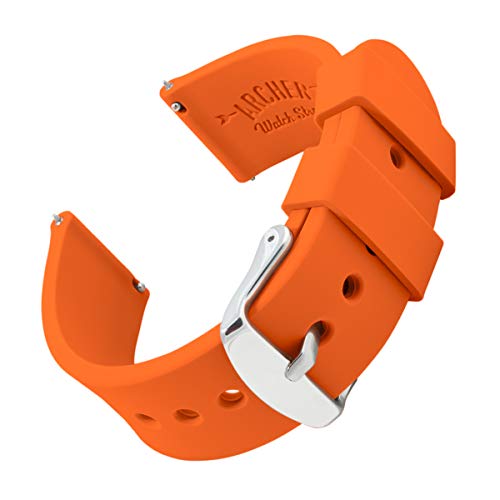


Table of Contents
Material Selection and Durability
Choosing the right strap material hinges on where and how you wear your watch. Leather straps evoke a classic, refined look but require careful consideration of internal lining and quality tannes. Full-grain leather with a high-quality lining—be it suede or smooth leather—ensures longevity and comfort, especially in daily wear scenarios.
Rubber and silicone straps are preferred for sports or outdoor pursuits due to their resilience against sweat and water. When selecting these, pay attention to the quality of the silicone—thicker, high-grade materials resist tearing and deformation better over time. Canvas and NATO straps, often made with durable nylon, are excellent travel companions because of their lightweight nature and ease of cleaning.
Fit, Comfort, and Adjustability
A well-fitting strap is essential. Leather and rubber straps typically come with multiple holes or micro-adjustment features that let you dial in comfort. When selecting, consider the thickness of the strap; thinner straps (around 2mm) are lighter and less intrusive, while thicker straps (4mm+) provide a more robust feel and better protection during physical activities.
Always verify the strap length relative to your wrist size—some manufacturers offer specific sizes or adjustable options that ensure the watch sits comfortably without pinching or sliding excessively. Proper fit not only enhances aesthetics but also reduces stress on the watch's lugs and prevents accidental drops.
Travel-Friendly Features
If you're frequently on the move, consider straps that are easy to swap, like quick-release spring bars or NATO-style straps. These allow you to change your watch's look and function on-the-go without special tools. Additionally, travel-friendly straps should resist environmental stress—look for water-resistant or quick-drying materials for active adventures.
For added protection, some high-end NATO straps incorporate anti-corrosion hardware, which is beneficial when traveling to humid or salty environments. Packing a few versatile straps can significantly enhance your travel experience, allowing quick adaptation to both formal and rugged settings.
Security and Locking Mechanisms
Straps with secure locking features—such as deployant clasps, fold-over buckles, or screw-in pins—offer peace of mind, especially during active or travel scenarios. Deployant clasps not only provide a sleek look but also minimize the risk of accidental detachment, while screw-in pins give a sturdy, lockable connection that’s ideal for rough handling.
Contrast this with traditional tang buckles, which are simple but may loosen over time, especially if not properly maintained. When choosing a strap for travel, prioritize lock mechanisms that can withstand tugging, water exposure, and repeated adjustments without compromising security.
Style and Versatility
Your strap should reflect where and how you'll wear your watch. Leather straps—especially in black or brown—are timeless and suited for formal settings, while NATO and canvas straps lend a casual, utilitarian vibe that pairs well with field or tactical watches. Metal bracelets add a sophisticated or rugged look, but consider their weight and comfort for everyday use.
In terms of versatility, interchangeable straps are an excellent way to adapt to different occasions. Keep in mind that materials like distressed leather or camouflage NATO straps can dramatically change your watch’s aesthetic without requiring an entirely new watch case or winder.
Care and Maintenance Tips
Proper maintenance prolongs the life of your straps. Leather straps benefit from occasional cleaning with a damp cloth and conditioning with leather balm; avoid water exposure to prevent deterioration. Rubber straps should be rinsed after sweat or dirt exposure and stored away from direct sunlight to prevent cracking.
Nylon NATO or canvas straps are easy to clean with mild soap and water, and their quick-drying nature makes them particularly travel-friendly. Regular inspection of hardware and sewings ensures early detection of wear that could compromise your watch's protection.
Frequently Asked Questions
What is the most durable watch strap material?
High-quality rubber or silicone straps are among the most durable for active use, followed by reinforced NATO straps with stainless steel hardware. Leather, while timeless, requires more maintenance to maintain durability over time.
How do I measure my wrist to find the right strap size?
Measure your wrist circumference just above the wrist bone with a flexible tape or string, then add 1-2 cm (about 0.5 inch) for comfort. Check the strap specifications for length, usually given in millimeters or inches, and choose accordingly.
Can I wear leather straps during water activities?
It's generally not recommended. Water can damage leather over time, causing stretching, staining, or cracking. For water activities, opt for rubber, silicone, or nylon straps designed to withstand moisture.
What are quick-release spring bars, and why are they useful?
Quick-release spring bars are specialized pins that allow you to change straps without tools. They are especially useful for travelers and collectors who like to switch styles frequently or keep multiple straps ready to go.
How can I tell if a strap will fit my watch case?
Check the lug width of your watch (measured in millimeters) and select a strap with a matching width. For custom or vintage watches, confirm compatibility by measuring the distance between the lugs carefully.
Choosing the right watch strap involves a careful balance of material quality, design, functionality, and travel considerations. By understanding these elements, you can protect your watches effectively while enhancing your style and versatility. Take the time to assess your daily and travel needs—and don’t hesitate to invest in higher-quality options for longevity and peace of mind. Your watches—and your wrist—will thank you.


