

How to Choose the Right EDC Organizers 2026
As collectors, we obsess over the mechanics of our timepieces and the patina of our leather goods, yet we often neglect the vessel that carries them. A disorganized EDC (Everyday Carry) isn't just messy; it’s a risk to your most prized possessions. Whether you are rotating a field watch for daily duty or packing a travel case for a trip, the right organizer dictates how well your gear survives the commute and how efficiently you access what you need.
Our Top Picks
Affiliate disclosure: if you buy through these links, we may earn a commission at no extra cost to you.
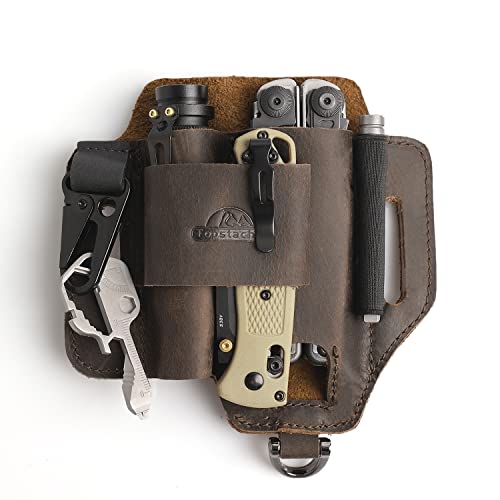
Table of Contents
Quick Answer
To choose the right EDC organizer in 2026, prioritize modular capacity over fixed compartments to accommodate rotating straps and tools. For watch protection, select closed-top cases with shock-absorbing interiors for travel, while glass-front displays suit static home use. Match the material to your environment: ballistic nylon or waxed canvas for rugged daily carry, and fine leather or suede for refined desk setups.
Assessing Capacity and Modularity
The biggest mistake collectors make is buying an organizer based on their current collection size rather than its potential growth. A rigid watch box with fixed slots becomes obsolete the moment you acquire a larger pilot watch or decide to rotate multiple straps for a single field watch. In 2026, the standard has shifted toward modular EDC organizers that allow you to reconfigure dividers. Look for systems where you can expand the footprint or add vertical layers without compromising structural integrity.
Consider your "active" vs. "storage" gear. Your tactical wallet and card holder need immediate access, so they should sit in a dedicated, easily reachable pocket separate from your watch cases. If you are using an everyday carry pouch, ensure it has distinct zones: one for high-value items like your timepiece, and another for consumables or tools. This separation prevents keys or carabiners from scratching the crystal of your watch when you are digging for your phone.
Material Durability vs. Aesthetics
The exterior material of your EDC organizer sets the tone for its lifespan and appearance. For daily carry, especially if you are commuting via public transport or cycling, ballistic nylon or heavy-duty waxed canvas is superior. These materials resist abrasion from backpack zippers and weather elements better than fine leathers. They also tend to be lighter, which is crucial when you are already carrying a dense tactical wallet and multiple watch straps.
However, if your organizer primarily lives on a desk or in a dedicated drawer, leather offers a refined aesthetic that complements a serious collection. Full-grain leather develops a patina that matches the aging of vintage watches, creating a cohesive visual narrative. Just be aware that leather is susceptible to moisture damage and scratches from metal hardware. If you choose leather, look for reinforced corners and sturdy stitching at stress points, particularly where handles or zippers attach.
For travel watch cases, hybrid materials are emerging as the gold standard. A hard-shell exterior made of polycarbonate or aluminum provides impact resistance, while a soft, padded interior protects against vibration. This combination ensures that your glass-front display case doesn’t become a liability if it gets bumped in overhead bin luggage.
Interior Protection Mechanics
The interior lining is the first line of defense for your watches and cards. Felt is popular for its softness, but it can trap dust and lint, which may eventually scratch watch crystals if not cleaned regularly. Microfiber or suede-like linings offer similar softness with better durability and easier maintenance. For high-value pieces, consider organizers with individual watch pillows or slots that hold the watch upright, reducing surface area contact and minimizing the risk of bracelet links clinking against each other.
When organizing card holders and tactical wallets, rigid backing is essential. Soft fabric pockets can allow credit cards to bend or get crushed by heavier items like keys or power banks. Look for organizers with stiffened dividers that maintain their shape even when empty. This rigidity also helps protect the structural integrity of your wallet, preventing it from bulging uncomfortably in your pocket.
Security and Lock Mechanisms
Security features vary widely depending on whether your organizer is for home display or travel. For home use, a simple magnetic closure or snap-button lid is sufficient and allows for quick access to rotate your daily watch. However, for travel cases containing multiple high-value timepieces, a keyed lock or combination dial is non-negotiable. This adds a layer of security against opportunistic theft in hotel rooms or shared accommodations.
Consider the type of zipper if you are using an EDC pouch or soft-sided case. Standard zippers can be picked open with a pen tip. Look for organizers with double-slider zippers that meet in the middle, or those with locking zipper pulls. Some premium tactical wallets and card holders now feature RFID-blocking materials integrated into the lining, which is a practical addition for protecting your financial data while keeping your profile slim.
If you have a glass-top watch case, remember that visibility comes at the cost of security. Glass cases are designed for display, not protection against prying eyes. If security is a concern, opt for a closed-top design with opaque lids. You can still enjoy viewing your collection by opening the case periodically, but you won’t be broadcasting its contents to anyone walking by.
Travel Usability and Form Factor
Travel organizers must balance protection with portability. A bulky watch box that takes up half your suitcase is impractical. Look for slim-profile designs that can slide into the side pockets of a backpack or fit under an airplane seat. Roll-up watch cases are excellent for this purpose, offering flexible storage that conforms to available space while still providing individual compartments for each timepiece.
For everyday carry pouches, consider how the organizer integrates with your existing gear. Does it have attachment points for carabiners? Can it be clipped to a belt loop or inside a larger bag? A well-designed EDC system should feel like an extension of your outfit, not an afterthought. Ensure that the organizer’s dimensions allow it to fit comfortably in your jacket pocket or bag without creating awkward bulges.
Frequently Asked Questions
Should I use a watch winder inside my travel case?
Generally, no. Watch winders are designed for stationary use. The movement and vibration during travel can damage the winder’s mechanism or your watch. It is safer to store automatic watches in a static position and wind them manually upon arrival.
How many watches should a travel case hold?
For most travelers, a 4-to-6 slot case is ideal. This allows you to bring a few favorites for different occasions without overpacking. If you have a larger collection, consider rotating which watches you take based on the trip’s duration and activities.
Are glass-top watch cases safe for travel?
Glass tops are fragile and offer no protection against impact. They are best suited for home display. For travel, opt for hard-shell or padded soft-sided cases with opaque lids to protect your watches from shocks and prying eyes.
What is the best material for an EDC pouch?
Ballistic nylon is the top choice for durability and water resistance. It withstands daily wear and tear better than leather or canvas, making it ideal for rugged environments and frequent travel.
Can I store my tactical wallet in a watch box?
It is not recommended. Watch boxes are designed for delicate timepieces, and the hard edges or metal components of a tactical wallet could scratch the interior lining or damage nearby watches. Keep them in separate compartments.
How do I prevent watch straps from fading?
Store watches in a cool, dry place away from direct sunlight. UV rays can cause leather and rubber straps to fade or crack over time. Use opaque cases or store your organizer in a drawer when not in use.
Choosing the right EDC organizer is about balancing protection with practicality. By focusing on modular capacity, durable materials, and secure closures, you ensure that your watches, wallets, and daily essentials remain safe and accessible. Start by evaluating your current gear’s dimensions and usage patterns, then select an organizer that grows with your collection rather than restricting it.


